
May your new year be full of kindness!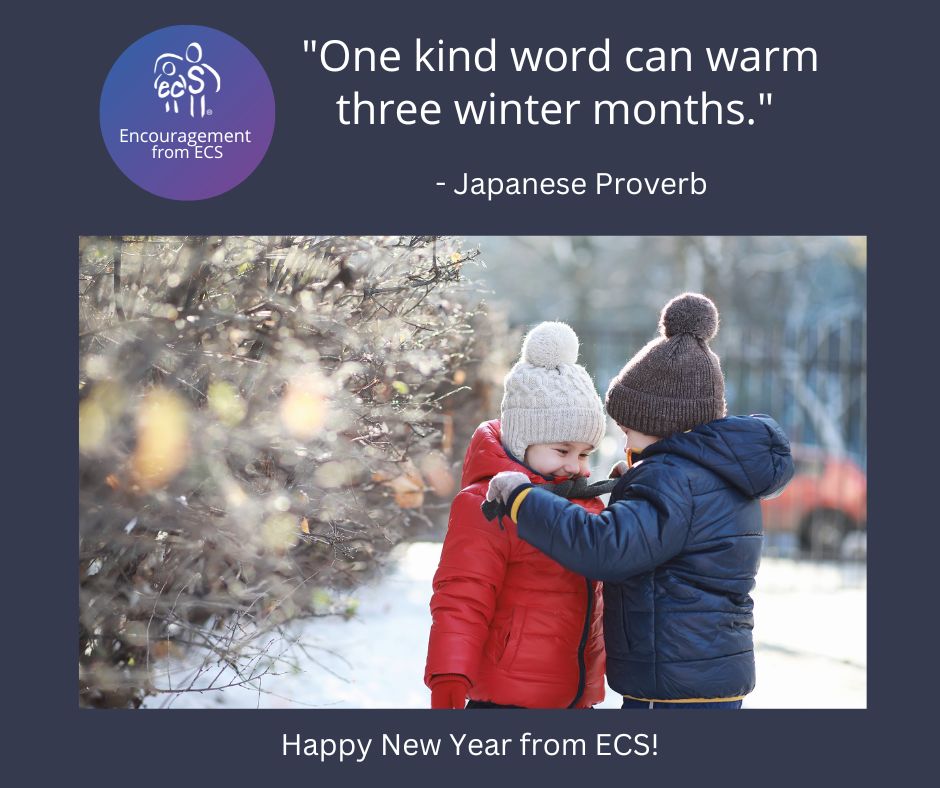 As a young child, I was often confused by all the pictures of snow, on TV and in books during the winter. I grew up in Baton Rouge, Louisiana, where snow was an incredibly rare occurrence. I do remember a light snowfall when I was about 10 years old, which was my first memory of snow. What a treat that was! There wasn’t enough snow to make a snowman, but my brothers and I enjoyed our one and only snowball fight! Whatever weather or other challenges this winter brings your way, we at ECS hope you will be warmed by the kindness of family, friends, and strangers alike. We also encourage you to cope with your worst days by going above and beyond to spread kindness and good cheer to others. We’d love to hear about the acts of kindness you share and model for your children - it will warm our hearts to be reminded that we are in such a caring community! May your days be fulfilling!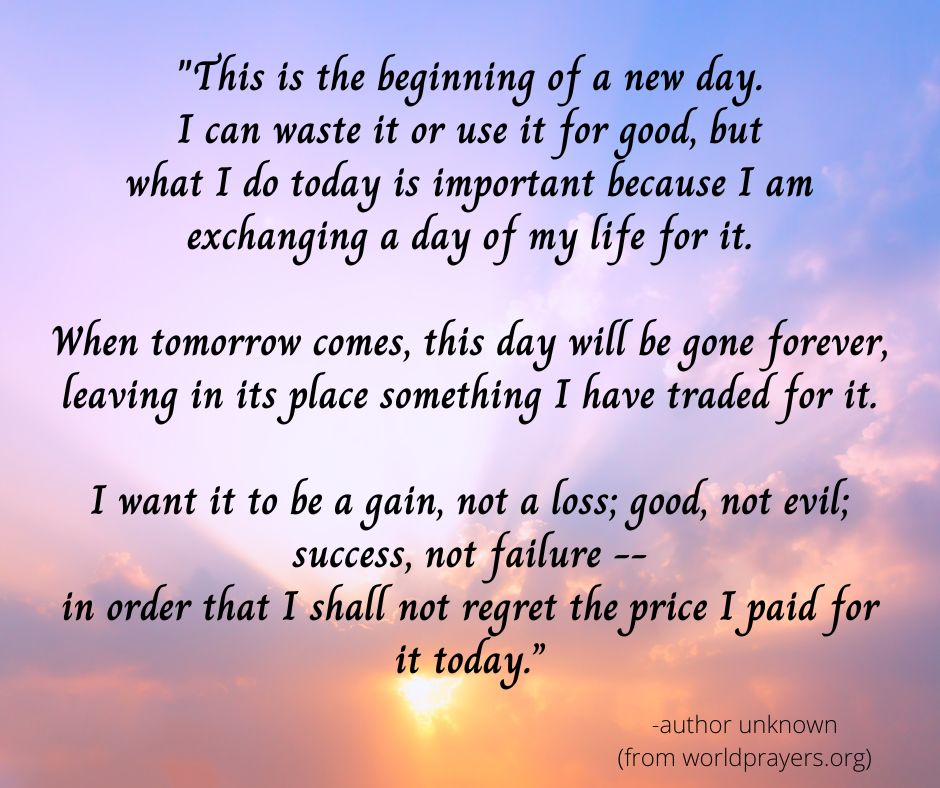 The beginning of a new year is a great time to reflect on where we’ve been and to decide where we are going! Are you taking stock of 2022 and making resolutions for 2023? For me, 2022 was a challenging year. My life turned upside down in early March, when I was diagnosed with breast cancer. I was determined to work through my treatment, but chemotherapy took its toll. I was able to keep my contracted commitments - and even take on a few more - for the most part, pivoting from live workshops back to virtual ones when my energy was lowest. I appreciate all who accommodated my health needs with empathy and compassion! After my chemo and surgery, I’m incredibly grateful to be cancer-free! I look forward to getting my business - and personal - life back on track. How about you? Would you like some encouragement as you look ahead to this new year? You may find the above poem helpful. I was taught to say it as a morning prayer when I was a child in Catholic school. Today, its familiarity brings me as much comfort as its message does. I hope you enjoy it, too. And may you feel energized and enthusiastic about reaching your goals!As you reflect, thinking about what you and your children have accomplished together last year can help you revise your teaching goals for 2023! We teachers often make our biggest plans according to the beginning of the school year rather than by New Year’s Day. But many of us can use a time to rejuvenate our teaching energy now! Here's a goal-setting exercise a former principal of ECS team member Marjorie Wild used. The teachers would write goals for the school year, not to turn in, but to keep for themselves. They were asked for a personal goal, a professional goal, and a goal for the students. This communicated the principal's respect for her staff as individuals, not just as teachers. It emphasized that personal and professional goals are both important, and that the goals for the children should be top of mind. This was an administrator who was great at goal-setting and validation! 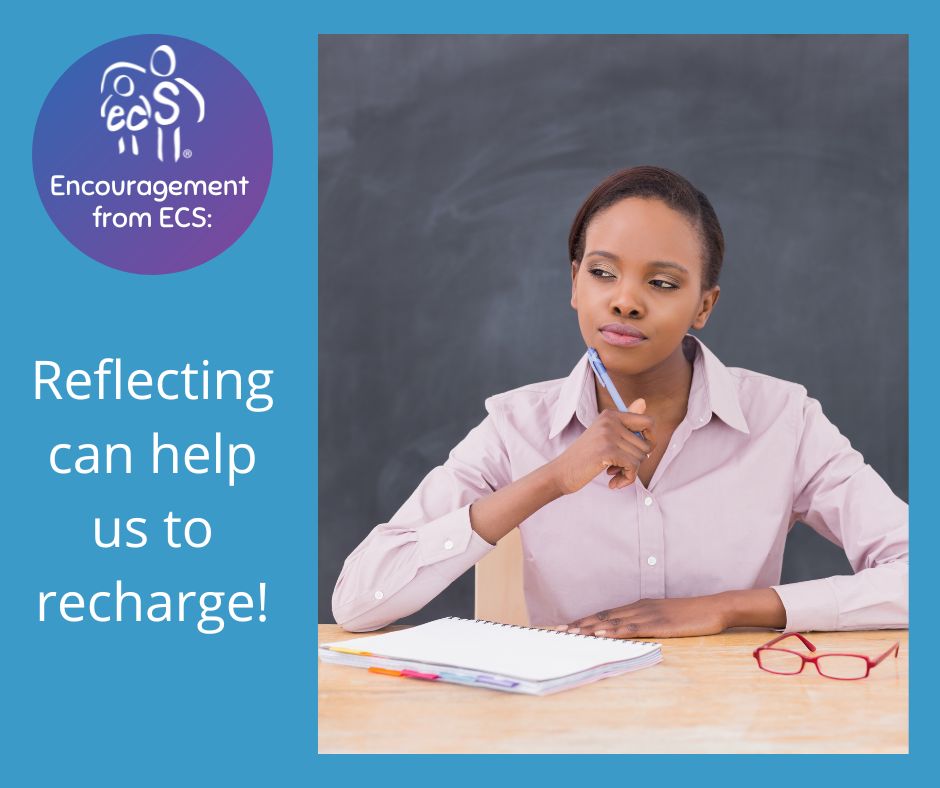 If you set any similar goals at the beginning of the school year, now is a good time to reflect on how far you have come.
If you did not set goals when the school year began, now is a great time! You know your children, their accomplishments, and the adjustments that may be necessary for success! -Set goals. -Revise as needed. -Remember why you became a teacher and remind yourself - and others - often!
0 Comments
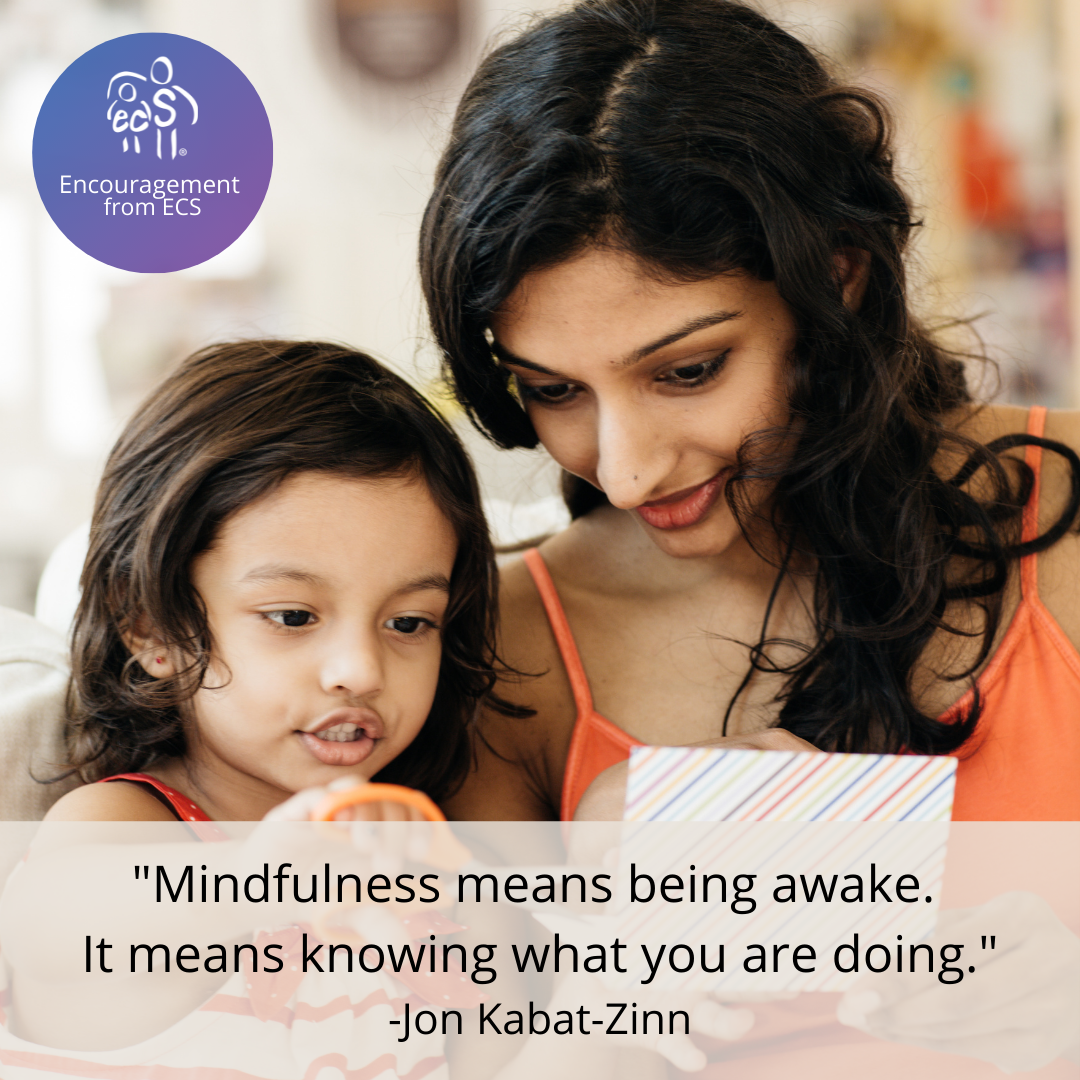
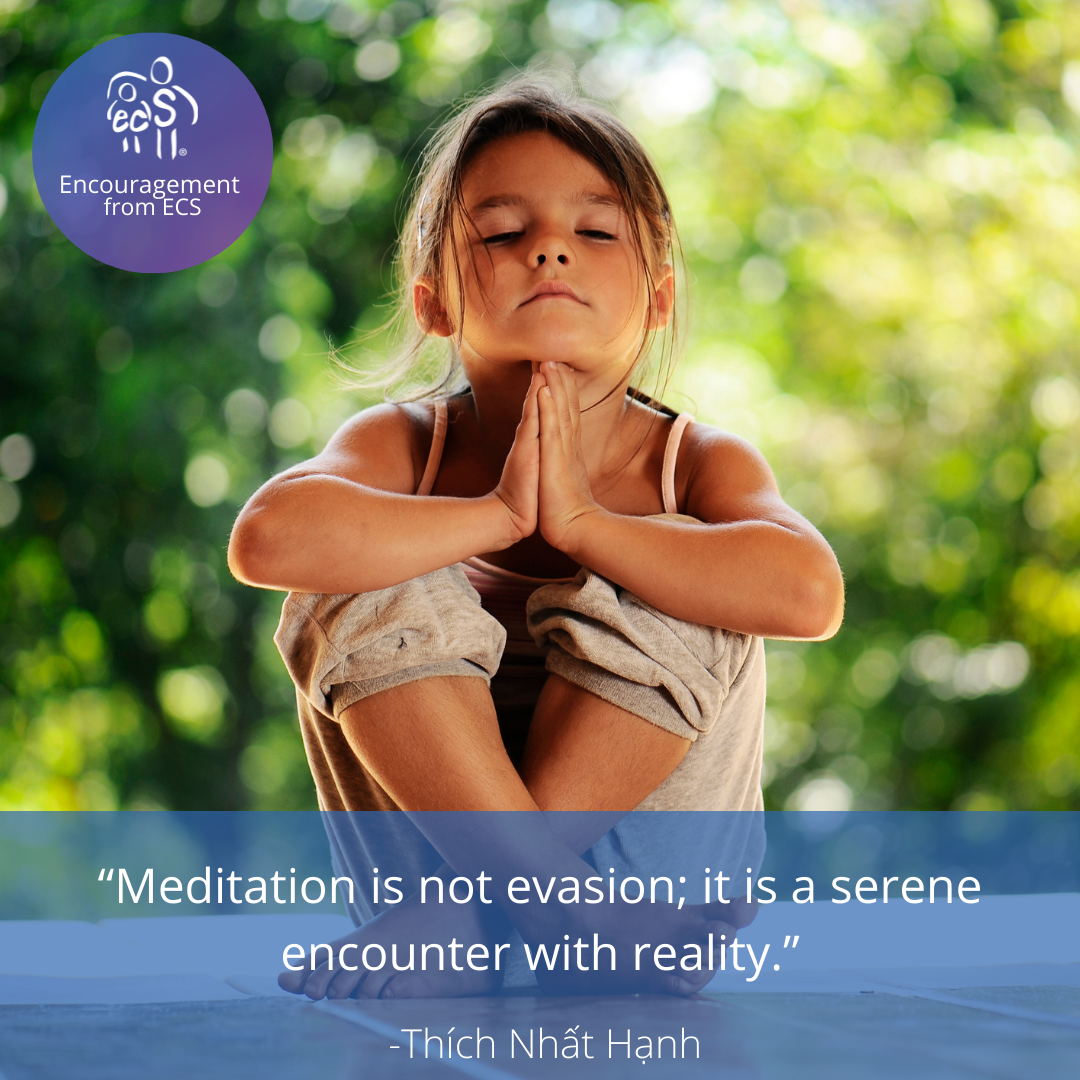
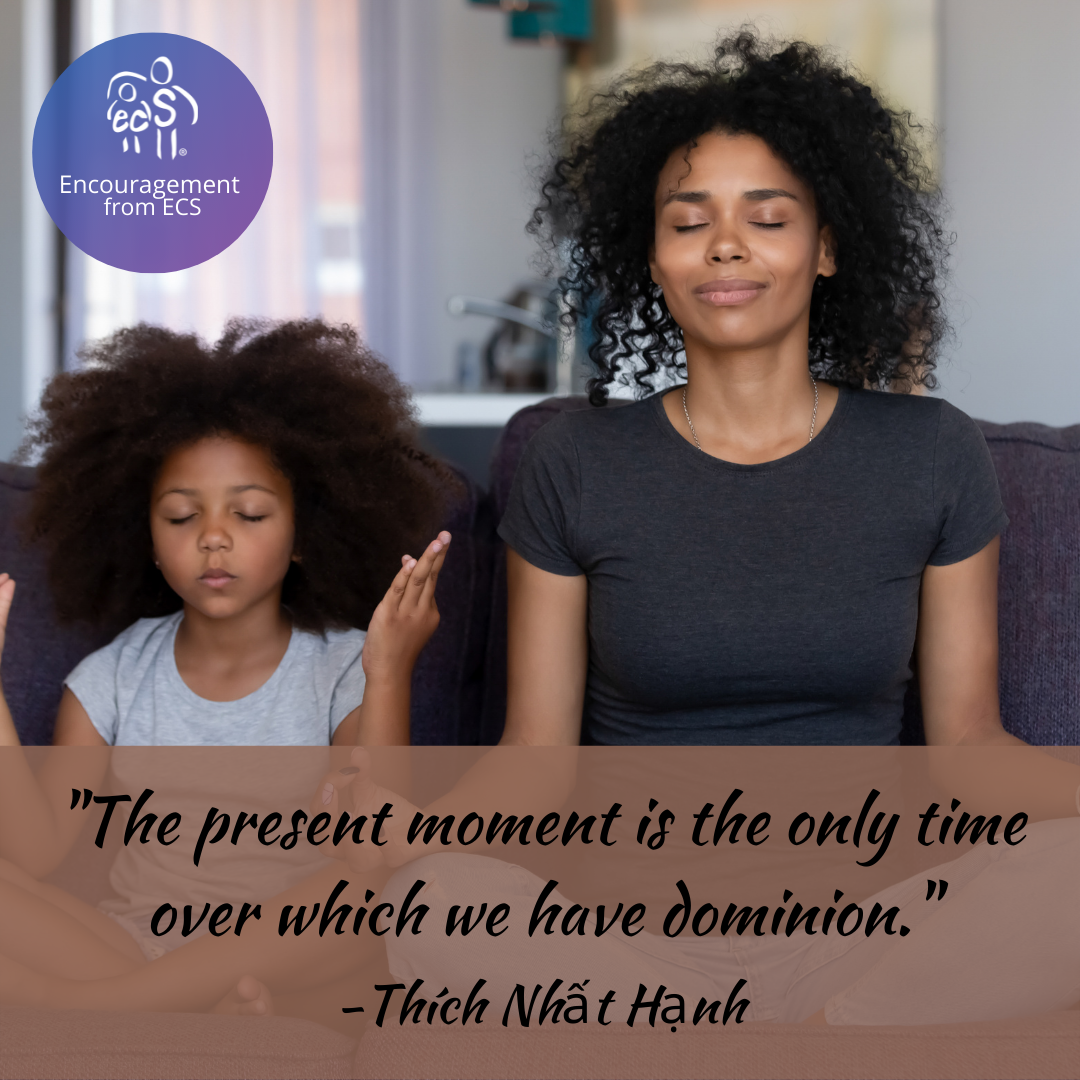
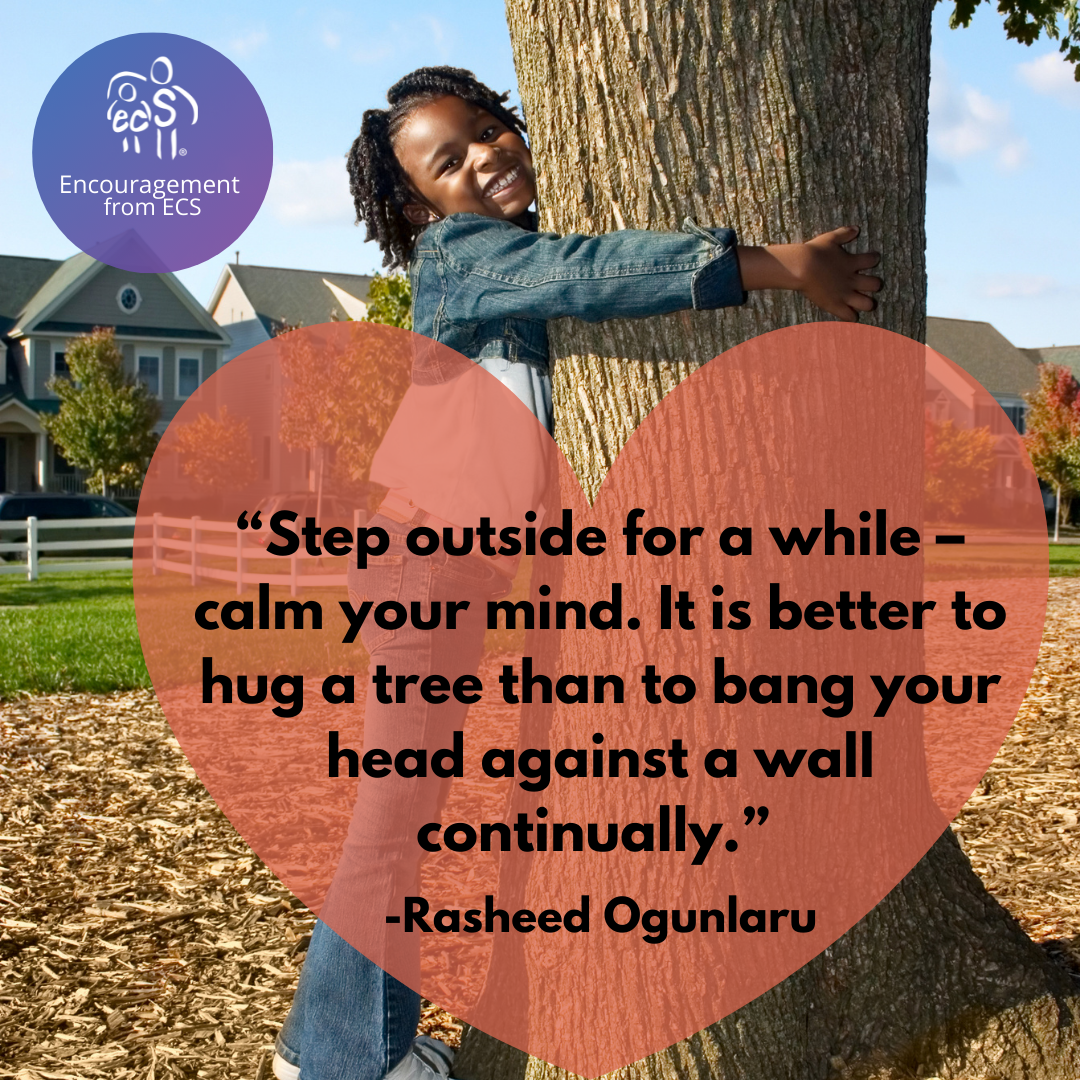
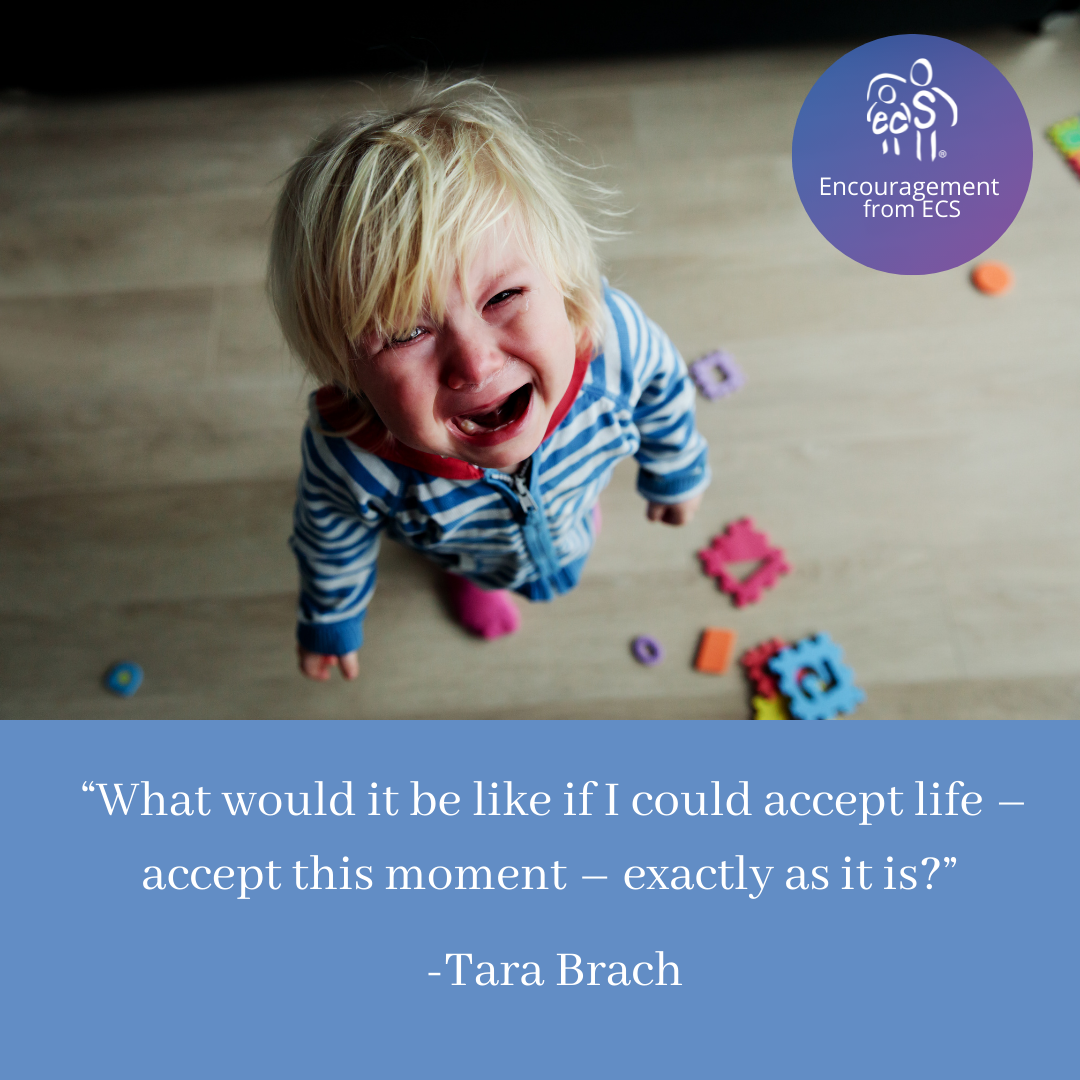
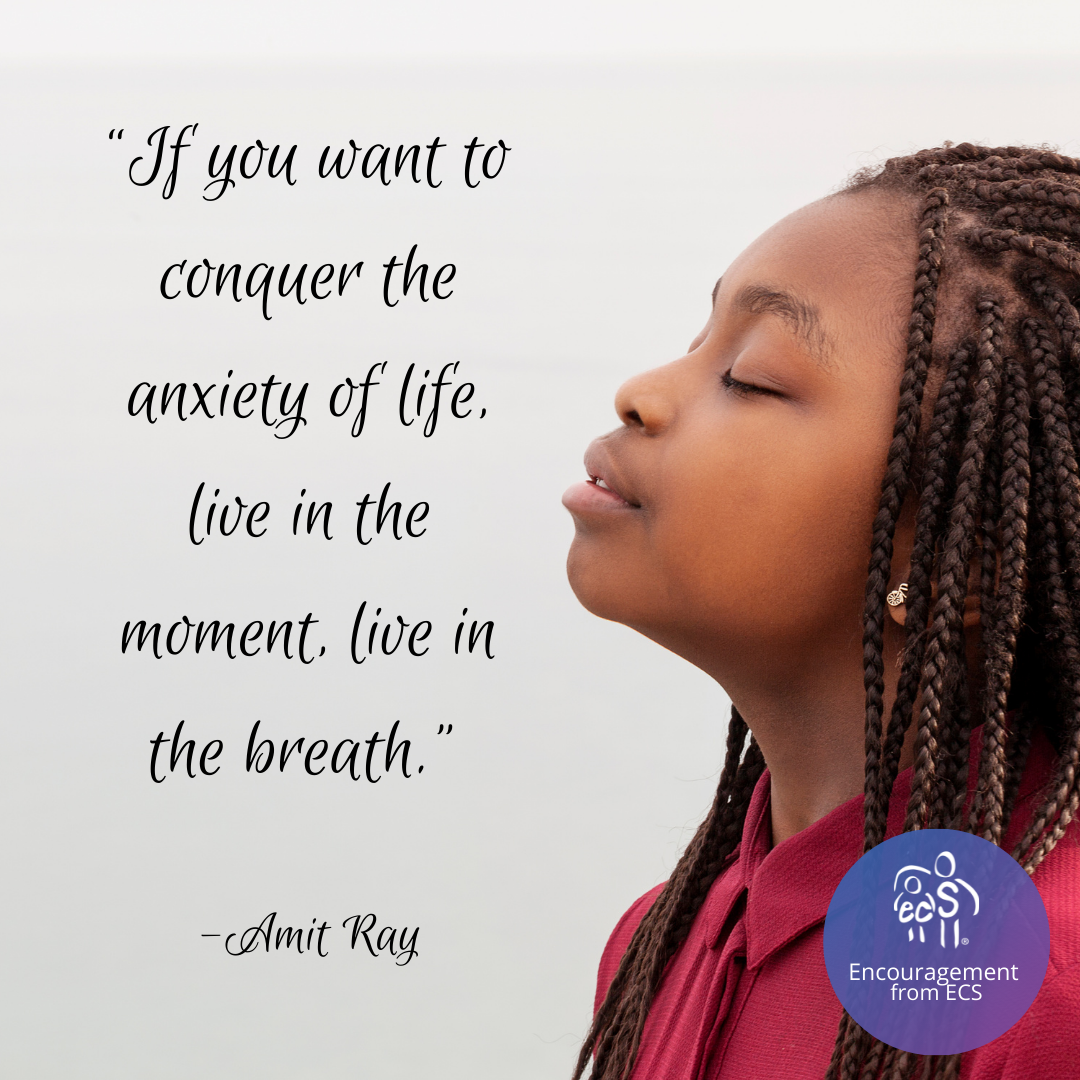
I hope these quotes will inspire you to use mindfulness to take care of yourself as well. Try focusing your attention on your breath, your body, or your surroundings. Or use awareness as you do an activity you find relaxing, such as walking or jogging; dancing or listening to music; journaling, drawing, or painting; sewing, baking or gardening. You may also want to focus your mind on positive thoughts, like the people and the things you are grateful for and the things you've been able to accomplish.
When the stress of the holidays - or life in general - gets you down, try a few mindfulness practices. Perhaps, as they did for me today, they will help you feel a little calmer.
All of us at ECS are wishing you peace and happiness this holiday season! |
AuthorI'm Diane Goyette, a Child Development Specialist, Trainer, Consultant and Keynote Speaker. I'm excited to share my blog! Archives
August 2023
Categories
All
|

 RSS Feed
|
Ways to Contact Us:
Schedule an Appointment |
|
Follow earlychildhoodspecialties for encouragement, teaching tips and more!
|
Follow eepworm for child-friendly posts!
|
© 2013-2024 Early Childhood Specialties LLC. All rights reserved.